
Your Health Check - Proud to Care Cornwall
Skip to content

Your Health Check

Welcome to your health check results page. This page helps you better understand your recent health check-in and help transform your metrics into actionable health and wellbeing plans.

An elderly man in a wheelchair and blanket supported by a care worker
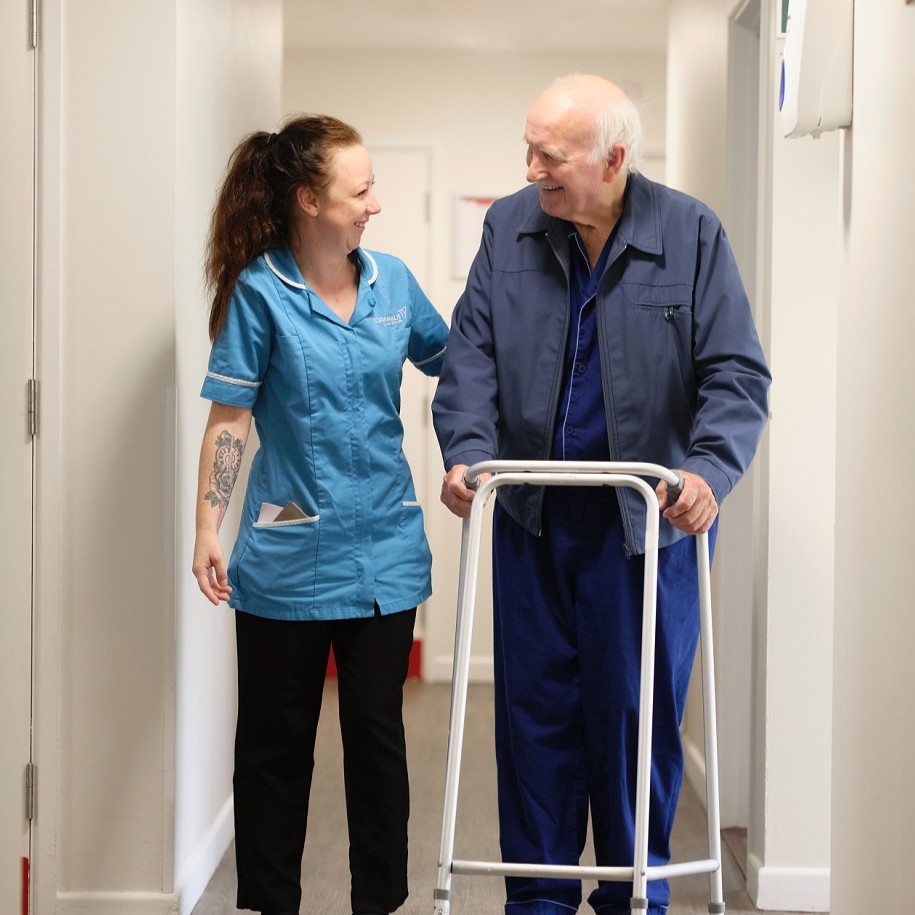
An elderly man witha walking frame helped by a female care worker

Blood Pressure

Blood pressure is the force of blood pushing against the walls of your arteries as your heart pumps it around the body. Blood pressure can changes over time and high blood pressure often has no symptoms.

Knowing your blood pressure, what it means, and what you can do to best support your blood pressure is important for short, medium and long term heart health.


Understanding my blood pressure reading


More than 90 over 60 (90/60) and less than 120 over 80 (120/80):

Your blood pressure reading is ideal and healthy. Try to maintain a healthy lifestyle to keep your blood pressure at this level.

More than 120 over 80 and less than 140 over 90 (120/80-140/90):

A little higher than it should be. Try making small changes to your lifestyle to help lower blood pressure over time.

140 over 90 (140/90) or higher:

Considered to be high blood pressure. Visit your doctor or nurse to discuss support and guidance, and where possible try to make healthy lifestyle changes.


What can I do to help lower my blood pressure?


Increase physical activity

Try to include regular activity such as brisk walking, cycling, or swimming each week.

Eat a balanced, lower‑salt diet

It is not about perfection, more about awareness. Try reducing salt and eating more fruit, vegetables, whole grains, and lean proteins can significantly improve blood pressure.

Maintain a healthy weight

Small amounts of weight loss can reduce blood pressure and improve heart health.

Manage stress and improve sleep

Stress and poor sleep can raise blood pressure. Relaxation techniques, breathing techniques, good sleep habits, and recovery time help regulate it.

Limit alcohol and avoid smoking

Reducing alcohol intake and not smoking removes strain on the heart and blood vessels.

 

An elderly man witha walking frame helped by a female care worker

Cholesterol

Cholesterol is fat that moves through our bloodstream.

Cholesterol plays an important role in in cognitive functioning, Vitamin D synthesis, cell growth and hormone production.

Our body produces roughly 70-80% of our total cholesterol, while the remaining 20-30% directly comes from the food we eat.

Having too much cholesterol can significantly increase the risk of cardiovascular disease including stroke, heart attack, and high blood pressure.


Interpreting Your Cholesterol Result


Included in your result, you will receive three numbers:

Total cholesterol (HDL and LDL)

  • We all should be aiming for less than 5.2 mmol/L

Total HDL (also known as ‘good cholesterol’) carries excess cholesterol to the liver to be broken down.

  • Females, aim for 1.2 mmol/L or above.
  • Males aim for 1.1 mmol/L or above.

Non-HDL is a measurement of all the bad and potentially harmful types of cholesterol in your blood.

  • For females and males, aim for less than 3.9 mmol/L.

Understanding the HDL Ratio

This ratio provides an indication of the balance between good and bad cholesterol and is the Total Cholesterol÷HDL Cholesterol

  • Desirable = Below 4.0 mm/L
  • With cardiovascular risk (Known high blood pressure, cholesterol or family history) = Below 3.4 mmol/L


What can I do to lower or support my cholesterol levels?


Move your body most days
Aim for regular walking, cycling, or similar activity that slightly raises your breathing and heart rate.

Choose more fibre‑rich foods
Include wholegrains, fruit, vegetables, beans, and pulses

Swap saturated fats for unsaturated fats
Olive or rapeseed oil, nuts, seeds, and oily fish in place of butter, processed meats, and pastries.

Support recovery and sleep
Where possible, prioritise rest and stress management. Poor sleep and ongoing stress can negatively affect cholesterol over time.


Muscle Mass

Muscle mass is the amount of muscle tissue in your body and plays an important role in supporting strength, movement, posture, balance, and overall physical function.

Muscle mass naturally decreases with age. Maintaining regular physical activity and adequate nutrition is vital to supporting muscle mass through aging. Taking a proactive and preventative approach by staying active, eating enough protein, and incorporating strength-based activities can help support your muscle mass and enabling you to remain strong, independent, and resilient both at work and at home.


How can I maintain muscle mass?

Maintaining muscle mass is important for supporting strength, mobility, posture, balance, and physical resilience, particularly in physically demanding roles such as Adult Social Care.


Include Strength-Based Exercise

Muscles need to be challenged regularly to stay strong. Aim to include activities that work the major muscle groups at least twice per week, such as:

  • Bodyweight exercises (squats, lunges, press-ups)
  • Resistance bands
  • Weight training
  • Pilates or strength-focused fitness classes
  • Functional activities that involve lifting, carrying, pushing, or pulling

Eat Enough Protein

Protein provides the building blocks needed to maintain and repair muscle tissue. Good sources include:

  • Lean meat and poultry
  • Fish
  • Eggs
  • Dairy products
  • Beans, lentils, and pulses
  • Tofu and other plant-based alternatives

Including a source of protein with each meal can help support muscle maintenance throughout the day.

Stay Active Throughout the Day

Regular movement helps maintain both muscle and overall health. Simple actions such as:

  • Taking the stairs
  • Walking during breaks
  • Stretching between tasks
  • Reducing prolonged sitting

can all contribute to maintaining physical function.

Prioritise Sleep and Recovery

Muscle repair and recovery occur during periods of rest. Aim for regular, good-quality sleep and allow adequate recovery following physically demanding work or exercise.

Maintain a Healthy Body Weight

Significant weight loss, particularly when combined with insufficient protein intake or inactivity, can lead to a loss of muscle mass. A balanced diet and regular activity can help preserve muscle while supporting overall wellbeing.


Visceral Fat

What is Visceral Fat?

Visceral fat is the fat stored deep inside the abdomen, surrounding organs such as the liver, pancreas, and intestines. Unlike subcutaneous fat, which sits just beneath the skin and can be pinched, visceral fat is hidden from view and is more strongly associated with health risks.

While everyone needs some visceral fat to cushion and protect internal organs, excess visceral fat can increase the risk of:

  • Cardiovascular disease
  • High blood pressure
  • High cholesterol
  • Type 2 diabetes
  • Fatty liver disease
  • Metabolic syndrome

Why is Visceral Fat a Concern?

Visceral fat is metabolically active, meaning it releases hormones and inflammatory substances that can affect how the body regulates blood sugar, cholesterol, and blood pressure. This is why someone can have a relatively normal body weight but still have an increased health risk if they carry excess abdominal fat.

What is my visceral fat score?

You would have recieved a score in your recent health check using body composition scales. See below for interpreting your visceral fat score.

  • Healthy Range: 1-12
  • Warning: 13-18
  • High: 19+

How to Reduce Visceral Fat

The good news is that visceral fat responds well to lifestyle changes

  • Regular physical activity (at least 150 minutes of moderate activity per week)
  • Strength training on two or more days per week
  • Weight loss if overweight
  • A diet rich in vegetables, fruit, wholegrains, legumes, and lean protein
  • Limiting ultra-processed foods, sugary drinks, and excessive alcohol
  • Good sleep and stress management